
Aesthetic Treatment Plan: Layered Treatments and How It Goes
October 29, 2026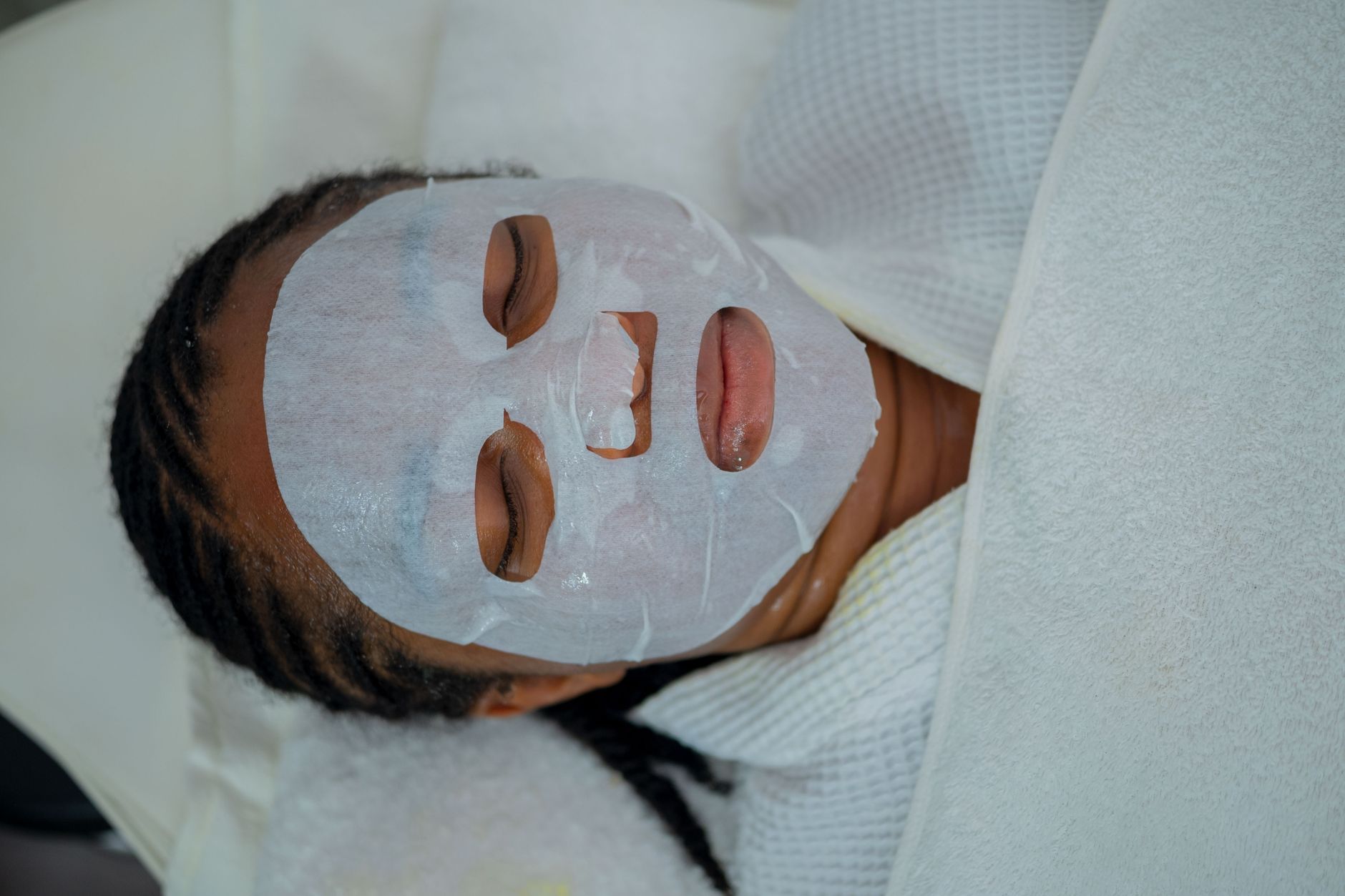
A good aesthetic treatment plan is rarely a single procedure. It is usually a few treatments, chosen to work on different levels of the skin and carried out in a sensible order. This approach is called layered treatment, and when it is done well, each step supports the next.
It can also go wrong. More treatments do not automatically mean better results, and the order and spacing matter as much as the list itself. This guide explains how an aesthetic treatment plan works, how experts recommend sequencing it, and how to tell when a plan is getting too crowded.
What an Aesthetic Treatment Plan Actually Means
Skin ages on several levels at once. The surface collects dullness and uneven tone, the deeper layer loses collagen, muscle movement etches expression lines, and volume shifts underneath.
A 2024 review in Dermatologic Surgery describes facial aging as multilevel and notes that a comprehensive approach is often needed to address it. No single device or injectable reaches every level.
Layered treatment means matching each concern to the tool built for that level. The same review found that combination protocols including botulinum toxin showed higher patient satisfaction and retention than single treatments, although it also noted that evidence is thin for some combinations.
An everyday comparison helps. You would not paint a wall before repairing the cracks and priming the surface, and skin follows a similar logic. Some concerns need to be settled before others can be addressed well.
The 4 Layers of an Aesthetic Treatment Plan
We think of a plan as a stack, built from the bottom up. You do not need every layer, and many people need only two or three.
1. The Foundation: Daily Skin Care
Daily sunscreen, a gentle cleanser, and a retinoid if your doctor agrees it suits you form the base. Every clinic treatment sits on top of this layer. Without it, you are paying for results that you do not protect.
2. Skin Quality and Renewal
This layer improves tone, texture, and clarity. It includes facials and peels, pulsed light, laser, and skin boosters, which add deep hydration. Expert consensus suggests that surface-active procedures such as lasers ideally come before injectable treatments, which is one reason this layer usually goes first.
3. Structure and Firmness
This layer targets the support underneath your skin. EndyMed radiofrequency is a non-invasive option designed to tighten skin and improve texture, and a collagen stimulator rebuilds structure gradually. Pairings such as a facial with Endymed, or microdermabrasion with Endymed and a skin booster, have appeared in our own packages, because firmness and skin quality tend to be concerns together.
4. Movement and Volume
The top layer covers the details. Botox softens lines caused by muscle movement, while dermal fillers restore volume in specific areas. A consensus on injectable treatment in Asian faces reports that doctors combine toxin and fillers more often as patients age.
The Order and Spacing Experts Recommend
Sequencing is where combination plans succeed or fail, so it deserves care.
Surface treatments first. A consensus on pre- and post-treatment care for facial injections recommends completing surface-active procedures, such as laser, before Botox or filler. If that is not possible, it suggests deferring them for up to two to four weeks after filler and about one day after Botox.
Filler before toxin on the same day. When both are done in one session, the same consensus places filler first.
Ultrasound before a collagen stimulator. In a Pan-Asian consensus on calcium hydroxylapatite, experts agreed that microfocused ultrasound goes before the stimulator when both happen in one session.
Keep the limits of the evidence in mind. A small retrospective chart review found that ultrasound treatment within 90 days of filler or toxin appeared safe, and the experts involved called it a small piece of evidence. A short-term safety study of same-session filler and device protocols supported further research but said long-term safety still needs confirming. A Pan-Asian consensus adds that most combination guidelines were built around Caucasian patients, so your doctor should adapt them to you.
When More Is Too Much
Combination treatment offers valuable benefits, but more is not always better, and staged interventions help decide which treatments are truly needed. We agree. But, there are warning signs:
- Several inflammatory treatments stacked in the same week. Inflammation is a known trigger for post-inflammatory darkening, which studies report in a meaningful share of laser-treated patients with skin types III and IV, common in Southeast Asia.
- A plan with no check-in points between treatments.
- A recommendation list that grows at every visit.
A well-built aesthetic treatment plan can shrink as well as grow. If a concern fades, the matching layer can be dropped.
Can You Do Everything in One Visit?
Sometimes, but not always. Same-day combinations exist, and the filler-before-toxin rule above is an example. Heavier combinations are usually better staged across several visits so your skin can recover and your doctor can see how each layer settled before adding the next. Your skin type, your downtime, and any upcoming event all shape the answer.
What a Written Aesthetic Treatment Plan Looks Like
Ask for your plan in writing. A solid one names your top concerns, groups treatments into phases, and sets a check-in between phases. As an illustration, phase one might cover the foundation and skin renewal, phase two might add structure, and phase three might refine with injectables and set a maintenance rhythm. Your doctor may reorder these steps for your skin.
Bring Three Things to Your Planning Visit
A planning visit goes faster, and produces a better plan, when you arrive prepared:
- The skincare products you use now, including any prescription creams.
- A list of past treatments and roughly when you had them.
- Your top two concerns, plus any date you are working toward, such as a wedding or a trip.
With those in hand, our doctors can sort your concerns into layers and put the steps in a workable order.
Reach us on WhatsApp at +62 813-7000-3628 or at info@upscalebali.com, and browse the full treatment menu at upscalebali.com. Our clinic at Jl. Gatot Subroto Tengah 288C is open Monday, Wednesday, Friday, and Saturday from 10 a.m. to 6 p.m., and Tuesday from 2 to 8 p.m. We are closed on Thursday and Sunday.
TAG :

