
Pigmentation Laser Bali: Long-Term Results by Pigment Type
October 20, 2026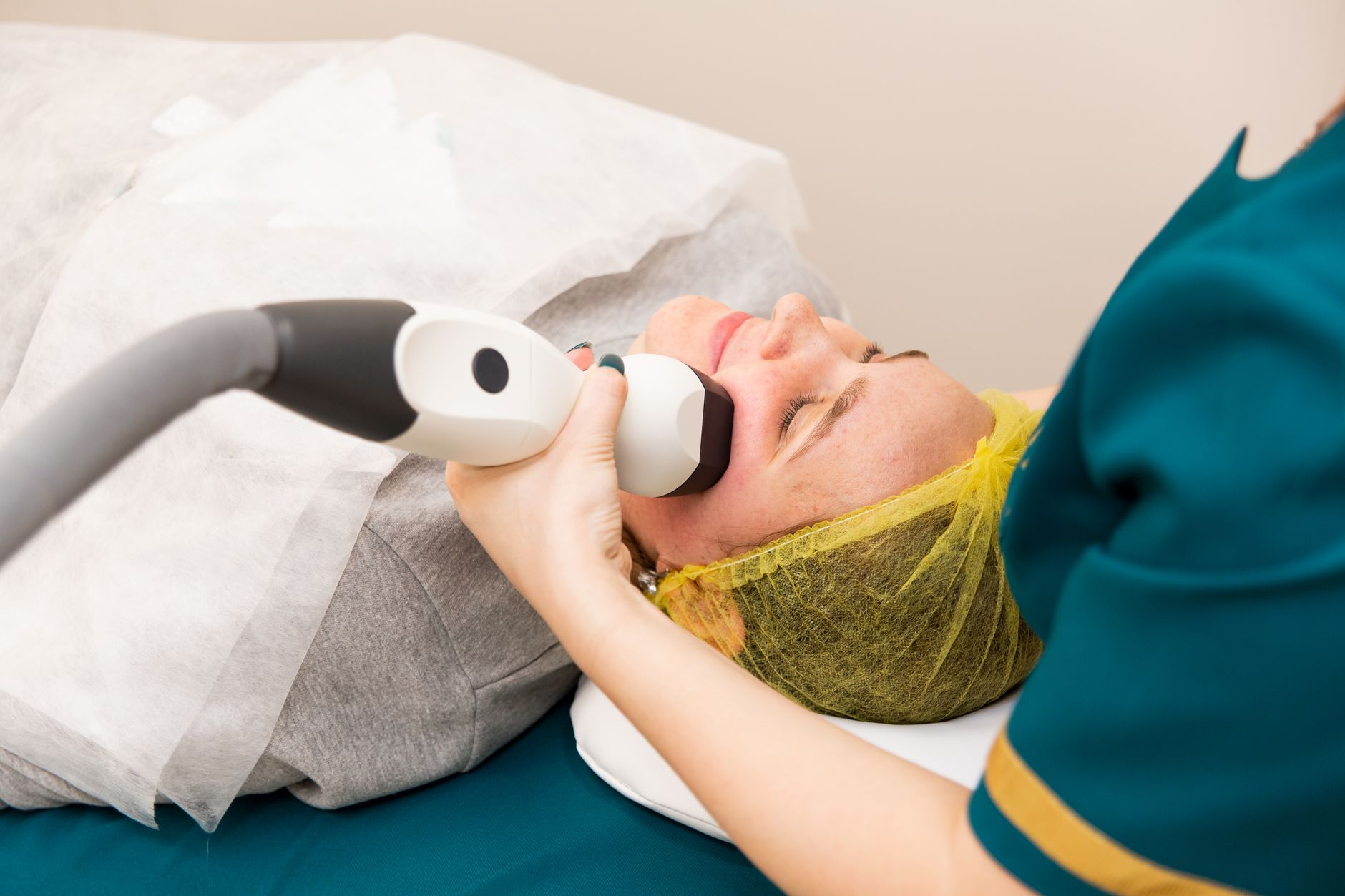
A pigmentation laser bali treatment can clear some dark spots for years and others for only a few months. The difference comes down mostly to one question: which type of pigmentation do you have? Can I do pigmentation laser in Bali? In the middle of my holiday?
Here is the short version, which we explain below:
- Sun spots: often the most lasting result, though new spots can form if sun exposure continues.
- Melasma: can improve well, but it is chronic and tends to return without ongoing care.
- Acne marks: usually fade on their own, and laser is sometimes used only to speed things up.
Whichever type you have, laser maintenance is a bigger part of the story than most people expect. This guide covers what to plan for if you are considering a pigmentation laser clinic.
Why Long-Term Pigmentation Laser Bali Results Depend on the Type
A pigmentation laser works by sending light that melanin, the pigment in your skin, absorbs. The energy breaks the pigment into fragments, and your body clears them over the following weeks. What the laser cannot do is change the instructions that tell your skin to make pigment in the first place.
That is why the trigger matters. Decades of sun, hormonal shifts, and inflammation can all switch pigment cells back on. When the trigger is gone, results tend to last. When the trigger stays, the pigment often returns.
3 Types of Pigmentation, Different Long-Term Outcomes for Pigmentation Laser Bali
1. Sun Spots: Often the Most Lasting
Sun spots, also called solar lentigines or age spots, come from years of ultraviolet exposure and appear in larger numbers with age. According to the American Academy of Dermatology, one or two laser treatments can clear them quickly, and results usually last longer than those from fading creams. The Academy also notes that age spots can return.
The numbers fit that picture for pigmentation laser bali. In a retrospective study of 39 patients treated with a long-pulsed alexandrite laser, about 13% of patients saw lesions return, on average after nearly five years. The same study found that seven patients, or 18%, developed post-inflammatory hyperpigmentation, meaning darkening after treatment, and all of them had skin types III and IV. Skin types III and IV are common in Southeast Asia, so this trade-off matters here.
2. Melasma: Controlled, Not Cured
Melasma is a chronic, relapsing condition. A 2022 review in Dermatology and Therapy reports that most patients see seasonal changes and relapses after successful treatment, which is why pigmentation laser bali maintenance is part of the plan from the start. A Harvard-hosted review of laser and light therapy found that lasers can help but that recurrence over time is high. It also noted that topical treatments remain the first-line approach.
One study followed 34 melasma patients treated with a low-fluence Q-switched laser. Average severity scores dropped from 6.7 to 3.2, and about 59% of patients rated their improvement at 50% or better. The authors still concluded that recurrence was high when results were checked a year later. For this reason, doctors usually begin with sun protection and topicals, and they use lasers cautiously because some settings can trigger rebound darkening.
3. Acne Marks: Often Fine Without Laser
Acne marks are usually post-inflammatory hyperpigmentation. The American Academy of Dermatology says a spot that is a few shades darker than your natural skin color typically fades within 6 to 12 months, while deeper pigment can take years. The first step before pigmentation laser bali is to control whatever caused the inflammation, because new breakouts keep creating new marks.
Treatment can speed up fading in some cases, and your doctor may suggest topicals or, selectively, laser. In darker skin, however, higher-energy settings raise the risk of darkening, so this is a case for patience and a conservative approach.
What Pigmentation Laser Bali Maintenance Actually Looks Like
After any pigmentation laser bali clinics perform, laser maintenance is less about frequent appointments and more about protecting what the laser achieved. It usually has three parts.
Daily Protection That Goes Beyond SPF
Ultraviolet light is only part of the problem. Visible light, including blue light, can also stimulate pigment cells in melasma-prone skin. In one study of 39 French women, tinted sunscreen containing iron oxide reduced melasma relapse after treatment. Reviews also point out that many sunscreens underperform in real life because people apply too little or skip reapplication.
Bali sits near the equator, so this matters year-round. In a small randomized study of laser-treated sun spots, outdoor activity between 1 and 5 p.m. was strongly linked to post-laser darkening. A hat and shade during midday are simple parts of pigmentation laser bali maintenance that cost nothing.
Home Care Your Doctor Prescribes
Pigmentation laser bali maintenance often includes topical products such as hydroquinone, retinoids, azelaic acid, kojic acid, or niacinamide, chosen by your doctor for your skin. In the same randomized study, patients who used a prescribed triple combination cream starting two weeks after laser had less post-laser darkening than those who used a plain emollient: 31% versus 55%. Starting the right product at the right time can protect your results.
Periodic Check-Ins and Touch-Ups
Sun spots can often be addressed one by one if new ones appear. Melasma usually needs longer-term follow-up, since experts describe it as something to control rather than cure. Your doctor sets the timing based on your skin type, your sun exposure, and how your pigment responds.
What the First Year Usually Looks Like
The first two weeks. Treated spots typically darken before they flake away, and some redness is common. Redness at the two-week mark has been linked to a higher chance of post-laser darkening, so tell your doctor if it lingers.
Months one to three. Spots continue to fade, and your doctor may repeat sessions for stubborn areas. Strict sun protection matters most during this stretch.
Months three to twelve. Your skin settles, and this is a fair point to judge the result. Any acne marks keep fading on their own schedule, and laser maintenance shifts toward prevention.
Before You Book: Have Every Dark Spot Checked
Not every dark spot is harmless. The American Academy of Dermatology warns that treating a spot that is actually skin cancer can give the cancer time to grow. Harvard Health advises getting any new, changing, or unusual spot examined, using the ABCDE guide: asymmetry, border, color, diameter, and evolution. A responsible clinic examines your skin first and refers you when something looks suspicious.
Start With a Skin Assessment, Not a Laser Setting
Good long-term results begin with the right diagnosis. Upscale Bali offers pigmentation laser bali, rejuvenation laser for sun damage and hyperpigmentation, and pulsed light treatments for uneven skin. Dr. Liana Susanti can examine your skin and explain which option fits your pigment type and your goals.
To plan your pigmentation laser for Bali treatment and a realistic laser maintenance schedule, message us on WhatsApp at +62 813-7000-3628 or email info@upscalebali.com. You can also visit our clinic at Jl. Gatot Subroto Tengah 288C. The best long-term result is the one built around your skin and protected every day.
Sources referenced for medical accuracy:
- American Academy of Dermatology, “What can get rid of age spots?” and “How to fade dark spots in darker skin tones”
- Güdük SS, Kuş S., “Efficacy and safety of long-pulsed alexandrite laser for the treatment of solar lentigines,” Turkderm, 2023
- Kang D-H et al., “Postoperative risk assessment of post-inflammatory hyperpigmentation and the efficacy of delayed prevention following 532 nm Q-switched Nd:YAG laser treatment of solar lentigines: a randomized controlled study,” Journal of Dermatological Treatment, 2024
- “Update on Melasma—Part II: Treatment,” Dermatology and Therapy, 2022
- “A review of laser and light therapy in melasma” (Harvard DASH repository)
- “Long-term results in low-fluence 1064-nm Q-Switched Nd:YAG laser for melasma: is it effective?” (Koç University Hospital)
- Harvard Health Publishing, “On the spot”
- Upscale Bali treatment pages: Pigmentation Laser, Rejuvenation Laser, and Pulsed Light Treatment


